
What this button does
Get the right coverage answer the first time you search. Add Total CSR as a preferred source, and our expert-written coverage resources will show up higher in your search results.
"Slow to hire, fast to fire" means you take your time choosing who joins your agency, and you act quickly once it is clear someone is not meeting expectations. For an insurance agency, both halves matter. A rushed hire can mishandle client accounts, and a performance problem left alone for months drags down the people who are doing their jobs well. Clients feel both mistakes too, through slower service, missed details, and changing contacts on their accounts.
The principle is often shortened to "hire slow, fire fast," and some leaders flip it to "fire fast, hire slow." Either way, it is not a license to be harsh. Acting fast only works when expectations are clear from the start, feedback is honest, and the employee has a fair chance to improve.
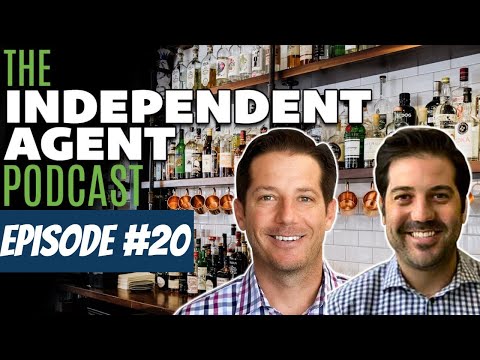
Justin and Jordan Goodman, the brothers who founded Total CSR, discussed this topic in the podcast episode this post first accompanied. They focused on employee accountability when performance declines, and the point that strong leadership is needed for the challenging conversations accountability requires.
How to Avoid a Bozo Explosion and the Hire Fast, Fire Faster Cycle
Where the idea comes from
In his book Good to Great, Jim Collins argues that great companies first get the right people on the bus and the wrong people off the bus, then decide where to drive. Guy Kawasaki, who worked with Steve Jobs at Apple, credits Jobs with the idea that A players hire A players. Kawasaki warns that B players hire C players, and over time weaker hires bring in even weaker ones. That downward slide is what Kawasaki means by the term in this section's heading. For an agency, the lesson is practical. Each new account manager or CSR (customer service representative) shapes your workplace culture, trains the next hire, and sets the service bar. A few rushed hires can quietly change the standard your clients receive.
Hiring slowly: make every step count
Slow does not mean dragging candidates through months of silence. It means each step answers whether this person can do this job in your agency. A structured insurance agency hiring process starts with a clear job description that lists the lines of business, systems, service standards, and licensing needs for the role. Screen job candidates against that description first, so you spend interview time on people who meet the basic requirements.
Next, use structured CSR interview questions and ask every candidate the same core questions so you can compare answers fairly rather than by gut feel. Then add an objective measure. Total CSR's pre-hire assessments can generate interview questions, and they rate candidates on these areas:
- Emotional intelligence
- Personality fit
- Cognitive aptitude
- Computer skills
- Insurance knowledge
A short work sample, such as drafting a reply to a client email about a coverage change, also shows how a person writes and thinks.
Judge hiring fit on both skills and how the person will affect team dynamics. A strong technical candidate who resists feedback can cost more than a newer one who learns quickly. When you are unsure about a hiring candidate, a second conversation with the people they would work beside is often more useful than another round of resume review. Once someone accepts, the slow part continues. A planned new hire onboarding checklist and a defined probation period (if your agency uses one) give both sides a structured time to confirm the fit.
Firing fast: act early, fairly, and with documentation
"Fast to fire" is really about speed of response. Leaders who wait hope that performance issues will fix themselves, but the rest of the team notices the delay. Silence from a manager can look like approval of the problem, or like favoritism toward the person causing it. Good employees end up covering missed renewals and unreturned calls, and morale drops.
Acting quickly and fairly usually follows a clear order.
- Name the gap earlyDo it in private, with specific examples such as missed follow-ups or errors on endorsements, not general complaints.
- Put expectations in writingDo it during a performance review or a separate meeting, with dates and measures the employee can track.
- Use a performance improvement planUse it if the gap remains. A plan that states what success looks like, what support you will give, and when you will review progress.
Document each conversation, so any corrective action that follows is consistent, based on facts, and applied the same way to every employee. Our guide on handling a decline in employee performance covers those conversations in more detail.
Not legal advice
This article is not legal advice. Follow your agency's HR policy and applicable employment law, and talk with HR or legal counsel before any termination.
A hypothetical example
Consider a hypothetical agency whose new commercial lines CSR, three months in, keeps missing certificate requests. The manager reviews the expectations from the job posting, gives specific examples, and sets a 30-day plan with weekly check-ins and extra training on certificates. If the employee handles the requests on time by day 30, they stay, and the plan closes. If not, the manager already has the records needed to discuss next steps with HR. Either way, nobody is surprised by the outcome, and the rest of the team sees a process that is applied evenly.
The next step for your agency
Review your last two hires. Was each step of hiring deliberate, and did you raise concerns early once problems appeared? Treat accountability as part of leadership development for your managers, and use meaningful feedback as the habit that enables fast, fair decisions.
Frequently Asked Questions
What does "slow to hire, fast to fire" mean?
It means you hire with care and act quickly when someone is not meeting expectations. The goal is to protect clients and the team. Slow hiring lowers the chance of a poor fit, and fast action keeps small performance problems from growing into lasting damage to service and morale.
Is "fast to fire" unfair to employees?
It does not have to be. Fairness comes from clear expectations, honest feedback, and a real chance to improve. Fast means you raise concerns early instead of waiting months, not that you skip steps. Always follow your agency's HR policy and employment law, and consult HR or counsel before ending employment.
How do you support underperforming employees before letting them go?
Start with a private conversation and specific examples. Then agree on written goals, offer training or coaching, and set check-in dates. An employee development plan can help someone with the right attitude but lacking skills. Document progress, so any later decision rests on facts.
How does hiring affect culture in an agency?
Every hire shapes company culture, because new people learn from and then teach the people around them. In a small agency, one person can shift service standards, communication, and morale. Hiring for values, not just skills, protects your organizational culture as the agency grows.
What role do managers play in building a stronger agency?
Managers turn agency goals into daily habits. They set expectations, coach staff, run reviews, and decide when to act on poor performance. Investing in organizational development means training managers to give feedback, have hard conversations, and document them so accountability doesn't depend on the owner alone.

Justin Goodman
Co-Founder and CEO, Total CSR
With two decades of experience in the insurance industry, Justin is the co-founder and CEO of Total CSR and the co-founder and Managing Director of Project 55. By the age of 29, Risk and Insurance Magazine recognized him as one of the nation’s top five construction insurance experts. He has also been named to Insurance Business Magazine’s Hot 100 and was most recently honored as the 2024 Insurance Journal Agent of the Year.
Through his leadership at Total CSR, Justin has trained more than 100,000 CSRs, account managers, and producers, driven by his passion for developing the next generation of insurance professionals. When not spending time with his family, he dedicates his free time to speaking at industry events and advising agency owners across the country.
Connect with Justin on LinkedInKeep reading
PodcastsAgency Owner Articles
How Can Small Agencies Attract Talent on a Smaller Budget?
Discover effective strategies for small insurance agencies to attract top talent without a large budget: emphasize company culture, offer flexible work options, and provide clear career advancement paths.
PodcastsAgency Owner Articles
How to Prevent Top Producers from Causing Agency Turnover
Learn strategies to prevent top producers from causing turnover issues in your insurance agency: establish clear expectations, foster transparency, and promote collaboration to maintain a healthy team dynamic.
PodcastsAgency Owner Articles
New Hire's Talks About Old Agency Impacting Morale
Addressing a new hire's constant comparisons to their previous agency is crucial to maintaining team morale. Implementing structured onboarding, setting clear expectations, and fostering open communication can help integrate the new employee effectively and preserve a positive work environment.