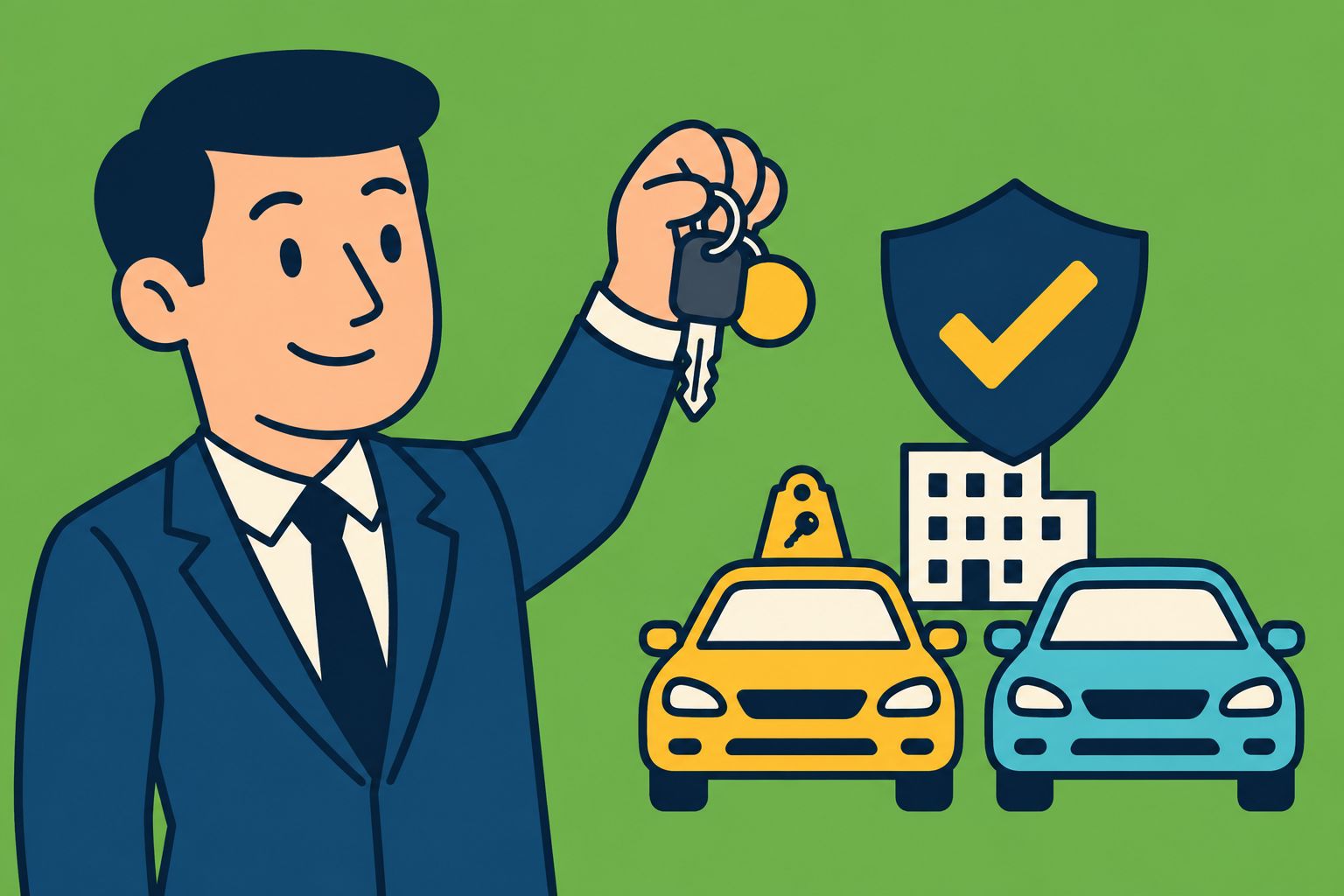
Hired and non-owned auto (HNOA) insurance is liability coverage that protects a business when someone drives a vehicle the business does not own for business purposes and causes an accident. "Hired" means rented vehicles and other vehicles the business leases, hires, or borrows. "Non-owned" usually means an employee's personal vehicle. If a claim names the business, the coverage responds for bodily injury and property damage to others, up to the policy limits.
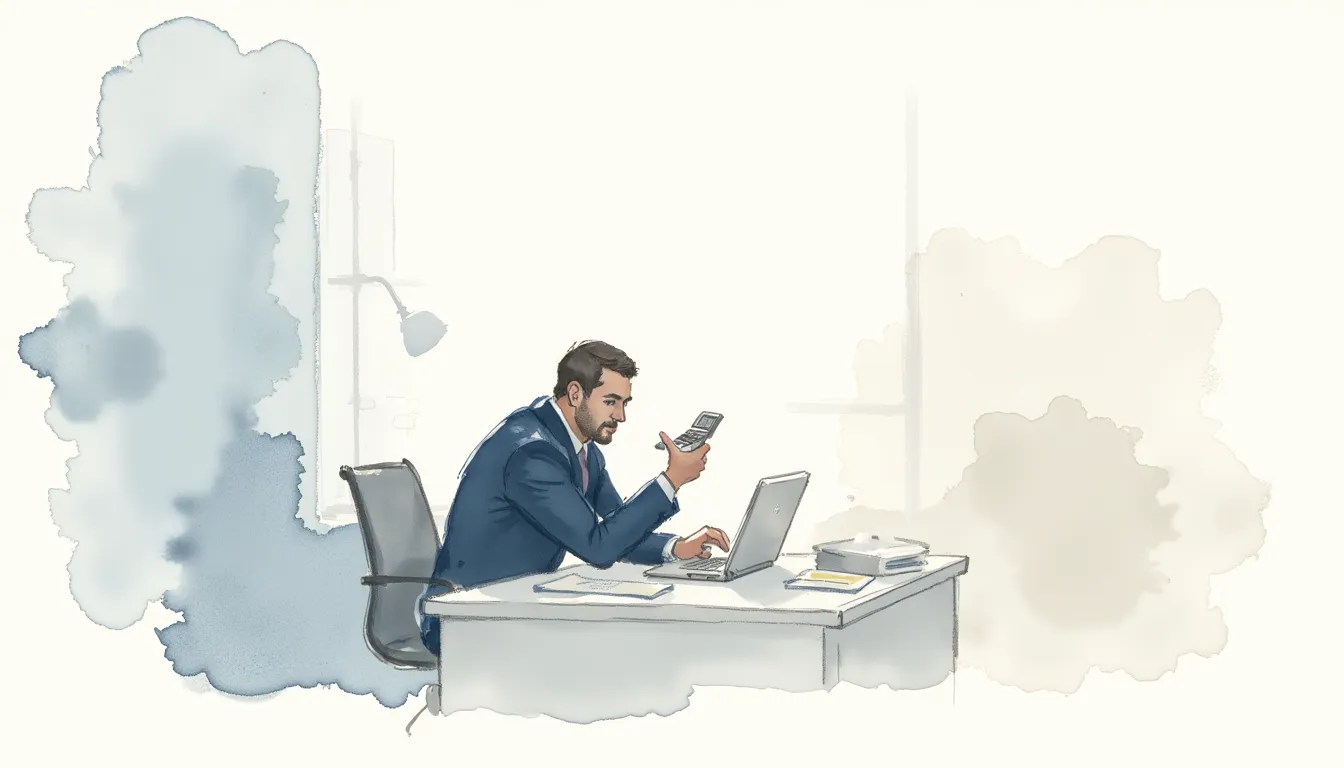
The exposure is easy to miss. A small business with no titled vehicles may assume it doesn't need auto insurance coverage, yet an office manager running errands or a salesperson driving to a client meeting creates a coverage need. An employer can be held responsible for an employee's accident that happens within the course and scope of employment. That is why it belongs on the checklist for every commercial account, including offices that say they have no vehicles at all.
How HNOA Insurance Works With Symbols 8 and 9
The ISO Business Auto Coverage Form (CA 00 01) uses numbered symbols to show which vehicles each coverage applies to. Symbol 8 applies to vehicles the named insured leases, hires, rents, or borrows, such as a van picked up for a job. It excludes vehicles borrowed from employees, partners, LLC members, or their household members. Symbol 9 applies to vehicles the named insured does not own, lease, hire, rent, or borrow that are used in connection with the business, including employee-owned vehicles while used in the business.
Showing symbols 8 and 9 for liability on a commercial auto policy gives the business hired auto liability and non-owned liability, which together make up hired and non-owned auto insurance. A business that owns no vehicles can get the same protection another way. Some carriers write it as a standalone policy, and many add it as a coverage endorsement to a businessowners policy or a general liability insurance policy.
Hypothetical example: a three-person agency sends its customer service representative (CSR) to drop a business deposit at the bank, and the CSR rear-ends another car. The CSR's personal auto insurance is usually the primary coverage, because the business auto form treats coverage for a vehicle the named insured does not own as excess over other collectible insurance. If the injured driver's damages exceed the CSR's limits and the suit names the agency, the agency's non-owned liability can respond, along with defense costs and legal fees. Without it, those liability expenses fall on the business.
Where Non-Owned Auto Coverage Stops
HNOA fills one gap: the business liability that follows the employer when someone else's vehicle is involved. It leaves other liability gaps and physical damage gaps open. These come up most often:
- Damage to the vehicle: there is no collision coverage. Damage to rental vehicles needs hired auto physical damage coverage or the rental agency's damage waiver.
- Injuries to the driver: an employee hurt while driving for work is generally a workers' compensation claim, not a liability claim against the business. Medical payments and underinsured motorist coverage usually don't cover this, so the driver's medical expenses come from their own personal auto policy or health plan.
- The employee's own protection: under CA 00 01, an employee driving a car they own is not an insured on the employer's policy. The Employees as Insureds endorsement (CA 99 33) can change that.
- Drivers with a company car: someone who has a company vehicle and no personal auto has a gap when driving other cars for personal use or personal errands. Drive other car coverage (CA 99 10) can fill it for named executives and their families.
Make business driving a standard renewal question. Ask who drives for work purposes, how often, and whether staff use hired vehicles on a business trip. Deliveries, sales calls, and job-site visits create greater business exposure than an occasional bank run, but even occasional business use counts. If the insured declines the coverage, document that decision in the file, because an undocumented gap can become an errors and omissions issue for the agency.
Also check contract and insurance requirements. Some client contracts ask for auto liability that includes hired and non-owned exposures, separate from any legal requirements for owned vehicles. When you gather insurance quotes, compare the coverage limits with the client's general liability and umbrella limits, and confirm the umbrella lists the hired and non-owned liability as underlying insurance. That risk management step keeps the commercial liability program consistent.
Frequently Asked Questions
Does HNOA coverage replace commercial auto insurance?
No. It only handles liability for vehicles the business does not own. A business that titles vehicles in its own name needs business auto insurance for those vehicles, with symbols 8 and 9 added for everything else. A policy that shows symbol 1 (any auto) for liability already includes both. The stand-alone version fits best when the business entity owns no vehicles but still has employees on the road.
Can a business buy an HNOA policy without owning vehicles?
Yes. Many carriers write this coverage as its own policy for offices, consultants, and contractors with no titled vehicles, either on its own or added to a businessowners policy. Underwriters may ask about the business license or years in business, how many employees drive for work, how far they travel, and whether anyone has a poor driving record.
What drives HNOA insurance cost?
Price depends mainly on how much driving employees do for the business, how many employees drive, the type of trips, the limits chosen, and each carrier's rating rules. A restaurant that makes deliveries has more exposure than an office where staff rarely drive. Business owners should compare actual policy premiums rather than rely on published averages.
Does hired auto coverage include damage to the rental car?
No. Written as liability, this coverage pays for injury and damage the driver causes to others. It does not repair the vehicle itself, even when the damage is minor. That needs hired physical damage coverage on the business auto form, the rental company's damage waiver, or another source of insurance protection. Confirm which source applies before staff picks up the keys.
Who is protected by hired and non-owned auto coverage?
Mainly the business. This coverage protects the named insured when a claim says the company is responsible for a driver's accident, which limits the financial liability that would otherwise fall on the company. An employee driving their own car is usually not an insured under it, so ask about adding employees as insureds if the owners want broader liability protection for staff.