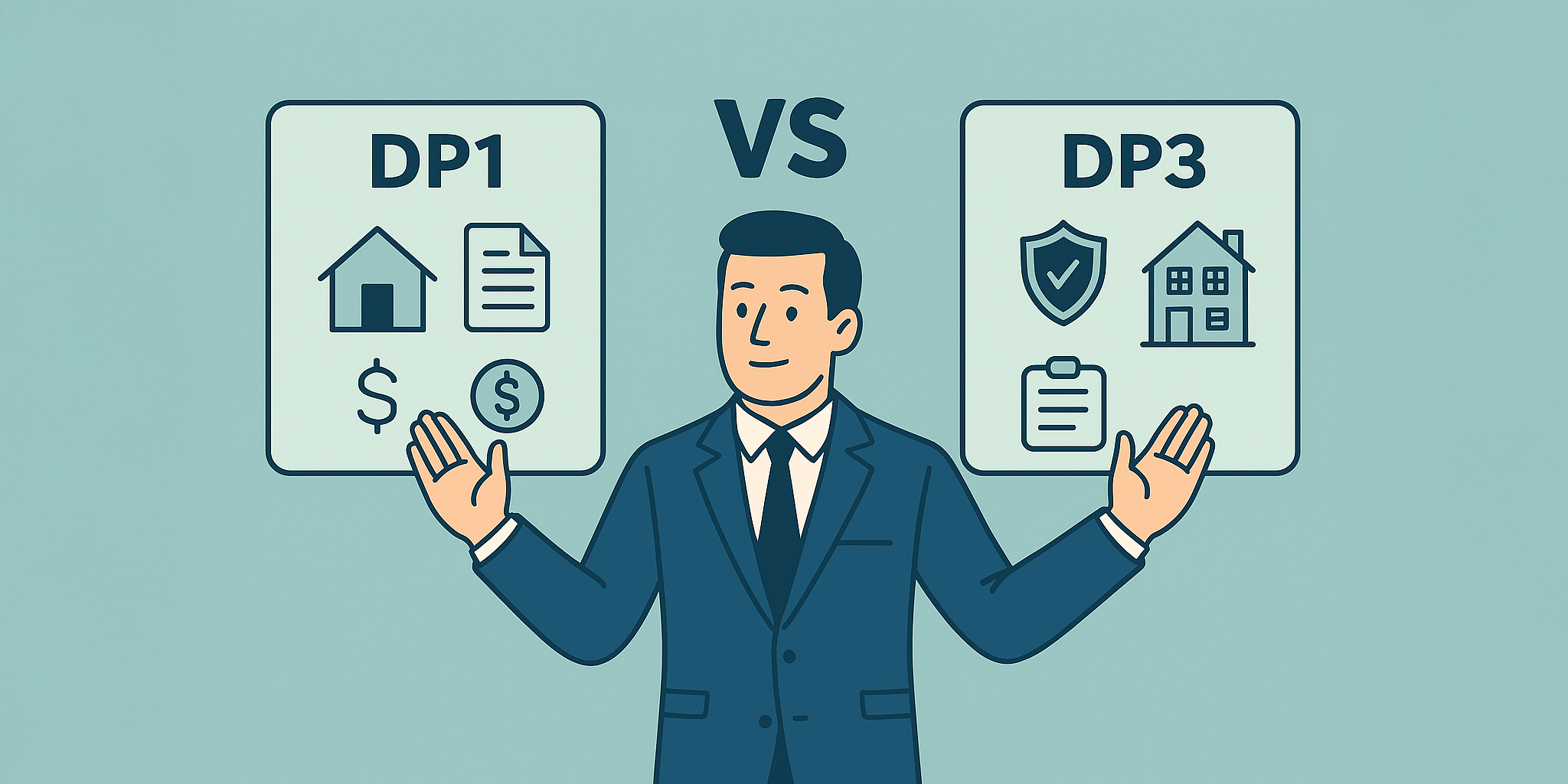
The main difference between DP1 and DP3 is breadth: a DP1 policy is a named perils policy that usually pays actual cash value. In contrast, a DP3 policy covers the dwelling on an open perils basis and usually pays replacement cost. Both are dwelling fire policies for non-owner-occupied properties, such as rental properties, seasonal residences, and some vacant properties. Hence, landlords and real estate investors see them far more often than owner-occupants do.
What Is a DP1 Policy? DP-1 Policy Coverage Basics
ISO calls the DP1 form Dwelling Property 1 Basic Form (DP 00 01), and many agents call it dwelling fire form 1. Its basic coverage is limited to fire, lightning, and internal explosion. Other covered perils are added for a higher premium, and on the DP-1 they are usually:
- Windstorm, hail, explosion and smoke
- Riot, aircraft, vehicles and volcanic eruption
- Vandalism and malicious mischief
DP1 claim settlements use actual cash value, which subtracts depreciation, so an older roof or furnace pays much less than a new one costs. That payout method keeps premium costs low but leaves the owner with high out-of-pocket costs after a loss. A DP1 policy fits a low property value home, a property waiting for renovation, or a carrier that will not write a DP3 on the risk.
What Is a DP3 Policy? Open Perils for the Dwelling Structure
The DP-3, or dwelling fire form 3 (Dwelling Property 3 Special Form), is an open perils policy for the dwelling and detached structures: any direct physical loss is covered unless the form excludes it. Policy exclusions include flood, earth movement, war, nuclear hazards, intentional damage, wear and tear, and freezing of an unheated building. Personal property coverage for the landlord's own contents stays on a named perils basis. The DP3 pays replacement cost value on the building when the limit is at least 80% of the replacement cost, which is why it is the usual landlord insurance form for occupied rental properties and investment properties.
DP1 vs DP3 Policy Comparison Chart
| Feature | DP1 policy | DP3 policy |
|---|---|---|
| Perils on the dwelling | Named perils | Open perils |
| Claim payouts | ACV | Full repair cost if insured to 80% |
| Burst pipes | Not a named peril | Covered unless freezing exclusion applies |
| Vandalism coverage | Optional peril | Included, with vacancy limit |
| Theft coverage for contents | Endorsement | Endorsement |
| Rent loss | Included on ISO form | Included |
| Liability | Separate or endorsement | Separate or endorsement |
Which Dwelling Fire Policy Fits the Risk?
Use this coverage comparison with the client's actual property, not the price alone, because the coverage scope differs more than most owners expect from property insurance. On the ISO forms, both include fair rental value, the coverage that replaces loss of rental income while a covered loss is repaired, but some carrier DP1 products limit it. Neither form includes liability coverage, so add personal liability and medical payments by endorsement or a separate policy. For DP3 insurance, Florida carriers often apply a separate hurricane deductible or exclude wind, so check the declarations and get insurance quotes from more than one market.
Frequently Asked Questions
What is DP1 coverage best for?
DP1 fits properties where low cost matters more than broad coverage, such as an older rental, a dwelling under renovation, or a property a carrier will only write on a basic form. Explain the depreciated settlement before binding, because owners often expect a full rebuild.
What is DP3 coverage missing compared with a homeowners policy?
A DP3 has no coverage for the owner's liability and usually no theft protection for the owner's contents unless endorsed. It is written for property owners who don't live in the home, so the tenant needs a renters policy for their belongings and liability.
Is there a DP2?
Yes. The DP2 Broad Form adds more named perils, such as falling objects, weight of ice and snow, and accidental water discharge, and usually settles the building without depreciation. It sits between the two forms, but many carriers offer only a DP1 or a DP3 rather than all three.
Does a DP3 cover a vacant property?
Usually, but vacancy limits apply. On the ISO form, vandalism and glass breakage are excluded after 60 consecutive days of vacancy, and freezing losses are excluded unless heat is kept on or the water is shut off. Some carriers need a vacancy endorsement for longer vacancies.
How should an agent explain the forms to a landlord?
Start with what separates the forms: what perils each insurance policy covers and how each pays. Then confirm the dwelling coverage limit, the comprehensive coverage add-ons the landlord needs, and whether liability is written elsewhere. A written summary prevents disputes after a claim.